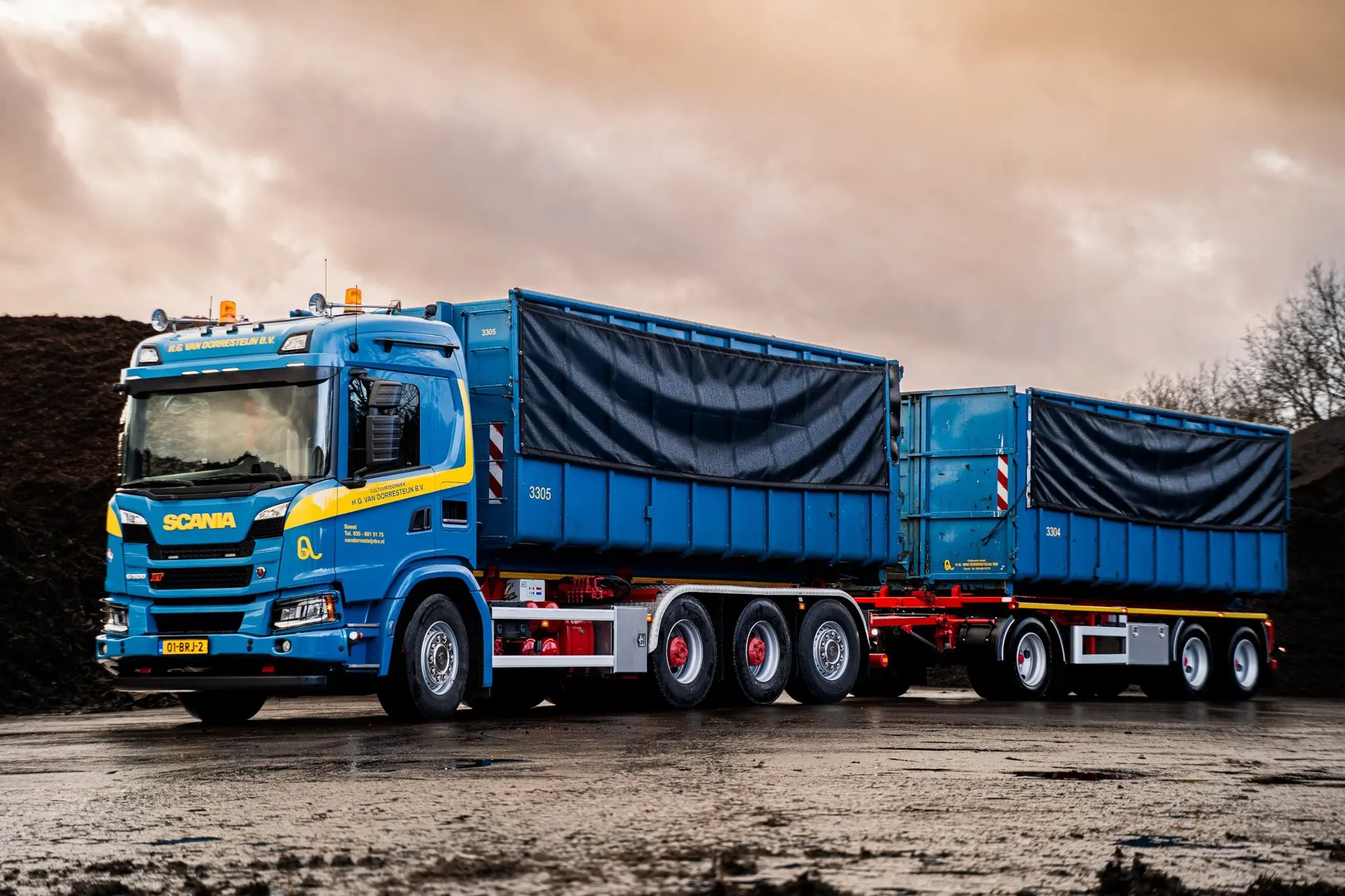
Cultuurtechniek Van Dorresteijn got to grips with the tachograph rules, even for staff who rarely drive
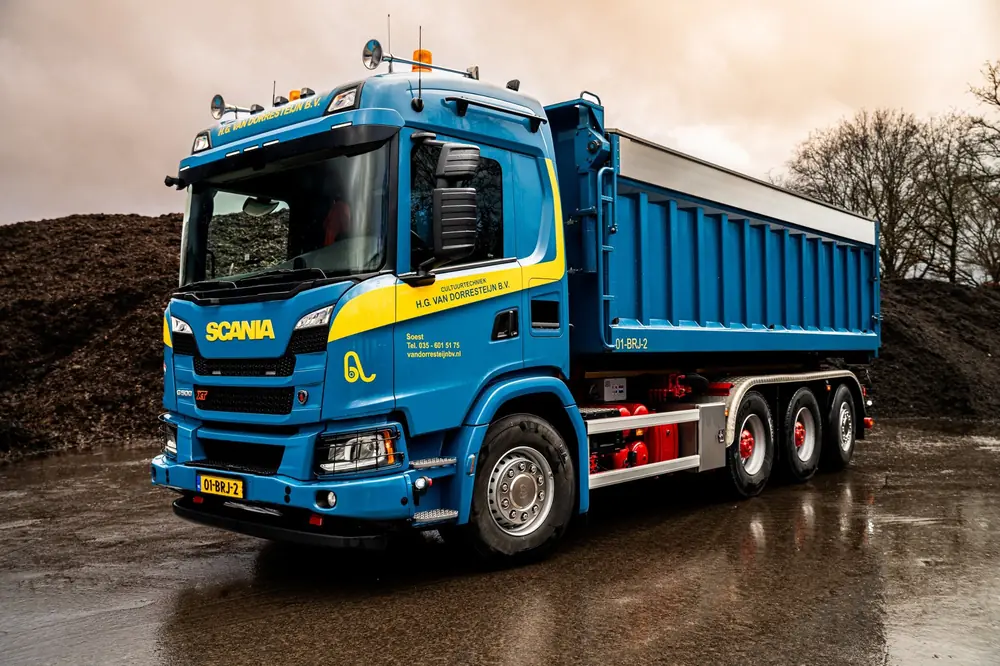
At Cultuurtechniek Van Dorresteijn in Soest, the Netherlands, transport isn't the core business, but the tachograph rules apply just the same. Ten employees hold a driver card, and because most of them only drive now and then, it's easy to forget to download that card on time. Since switching to Roadsoft, tachograph admin has become a fixed routine: the data is complete, very serious infringements are down 75 per cent, and the drivers now actively take part themselves.
Green waste recycling, groundwork and four trucks
Brothers Wilko and Raymond van Dorresteijn have run Cultuurtechniek Van Dorresteijn since 2013. With 18 employees, the company takes in green waste and turns it into compost and biomass. It also runs a soil depot and works as a contractor in groundwork and landscaping. Its four trucks deliver customer orders, collect green waste and take biomass to the biomass power plant in Utrecht every day.
The challenge: tachograph rules on top of the day job
Two professional drivers are on the road every day, and around eight colleagues also hold a truck licence for the occasional trip. If you only drive now and then, the tachograph rules simply aren't on your mind every day. “You often hear: I hardly ever drive anyway, so I don't need to download my card,” says driver Robbert, who took on tachograph management. “But that card has to be downloaded every 28 days, full stop.” So downloading remained a challenge: it did happen, but without a fixed rhythm, which meant the data wasn't always complete. Many companies where transport is a side activity will recognise this, from landscaping and agriculture to construction.
The implementation: set up within a day
The initiative came from the shop floor. Robbert had come across Roadsoft through the explainer videos Roadsoft's Lisa Kok shares on social media, and heard from a company in the region how much work the assistant was saving them. He convinced Wilko, and Van Dorresteijn started working with the analysis software and the WhatsApp Assistant.
The analysis software is the foundation, because that's where the data from every downloaded driver card comes together. For colleagues who rarely drive, a download point was set up in the canteen, so they can download their card as they walk past. Robbert checks the data every week and is the point of contact for colleagues, while Wilko retains overall responsibility. When questions come up, Roadsoft is only a quick call or message away.
On top of that came the WhatsApp Assistant, which follows up with drivers on the infringements found in that data. It was set up within a day and then was deliberately kept switched off for six more days, so the drivers would know what to expect. Once Van Dorresteijn gave the go-ahead, it went live on 29 June 2026.
How it works: spotting, helping, recording
At Van Dorresteijn, the WhatsApp Assistant handles the daily follow-up in three steps:
- Spotting. As soon as a driver card has been downloaded, Roadsoft picks up every infringement, even for colleagues who only made a single trip. In his weekly check, Robbert sees straight away where something needs attention.
- Helping. The driver receives a personal WhatsApp message that explains in plain language what happened, with a short explainer video showing how to do it right. That is especially helpful here, because most colleagues don't deal with the tachograph rules every day, and now they get the explanation at the moment they need it. In his reply, the driver explains what happened.
- Recording. Every message and every reply goes into the file, so at an inspection Wilko can show how every infringement at Van Dorresteijn was followed up.
The drivers: from grumbling to joining in
The first few weeks took some getting used to, and Robbert regularly heard: “That Roadsoft thing is messaging me again, it's driving me mad.” His answer never changed: the messages don't come out of nowhere, because the assistant doesn't make up infringements. Replying needed some explaining too, because sending back a thumbs-up doesn't work. “I told them: just type out a reply, then it actually gets processed.”
Then things turned around. If you have everything in order, you simply stop getting messages, and that became a badge of honour among colleagues. A quiet week means you're doing it right, and Robbert makes a point of saying so. Drivers who want to know how something works watch the explainer video that comes with the message, and colleagues now come and ask of their own accord whether their card has been downloaded yet or whether a notification is correct. Tachograph work has gone from a one-person job to something everyone is a little involved in.
The results: 75 per cent fewer very serious infringements
Since the WhatsApp Assistant went live, very serious infringements have fallen by 75 per cent, and in August there wasn't a single one.
Downloading is now a fixed routine: all ten driver cards are downloaded on time, including those of colleagues who hardly ever drive. Robbert can clearly see the most common mistake, the forgotten country code, becoming rarer, and anyone who does commit an infringement gets an explanation from the assistant.
“Compared with where we started, this is a huge step forward. We deal with so many laws and regulations, not just in transport, that what you want most is the peace of mind that it's all taken care of. If we're ever inspected, we can show that we handle this responsibly and with care.”
- Wilko van Dorresteijn, co-owner, Cultuurtechniek Van Dorresteijn
Success Stories
Genuine stories from companies leveraging Roadsoft to enhance their workflow efficiency.
Cultuurtechniek Van Dorresteijn got to grips with the tachograph rules, even for staff who rarely drive
How Cultuurtechniek Van Dorresteijn got to grips with the tachograph rules with Roadsoft and the WhatsApp Assistant: 75% fewer very serious infringements.
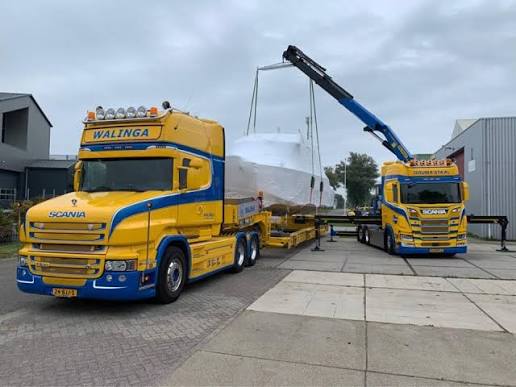
Walinga Transport: "Driver follow-up is taken off your hands, and that feels really good"
How Walinga Transport hands driver follow-up to the WhatsApp Assistant: fewer tachograph infringements and a file that is ready for any inspection.
SJT Venlo BV brought structure to its tachograph infringement follow-up, from management down to the drivers
How SJT Venlo BV used Roadsoft's Digital Assistant to build a structured tachograph infringement follow-up, from management down to its drivers.
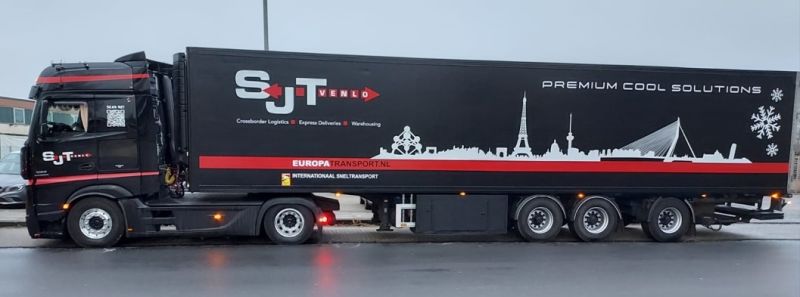
Bax Transport Boskoop BV went from printing weekly reports to digital follow-up with Roadsoft and positive driver debriefs
Renate and Albert Bax run Bax Transport Boskoop BV together, a family business in Boskoop that started three years ago. With four drivers they cover both domestic and international work. In a busy, expensive market they have gone from chasing every infringemen
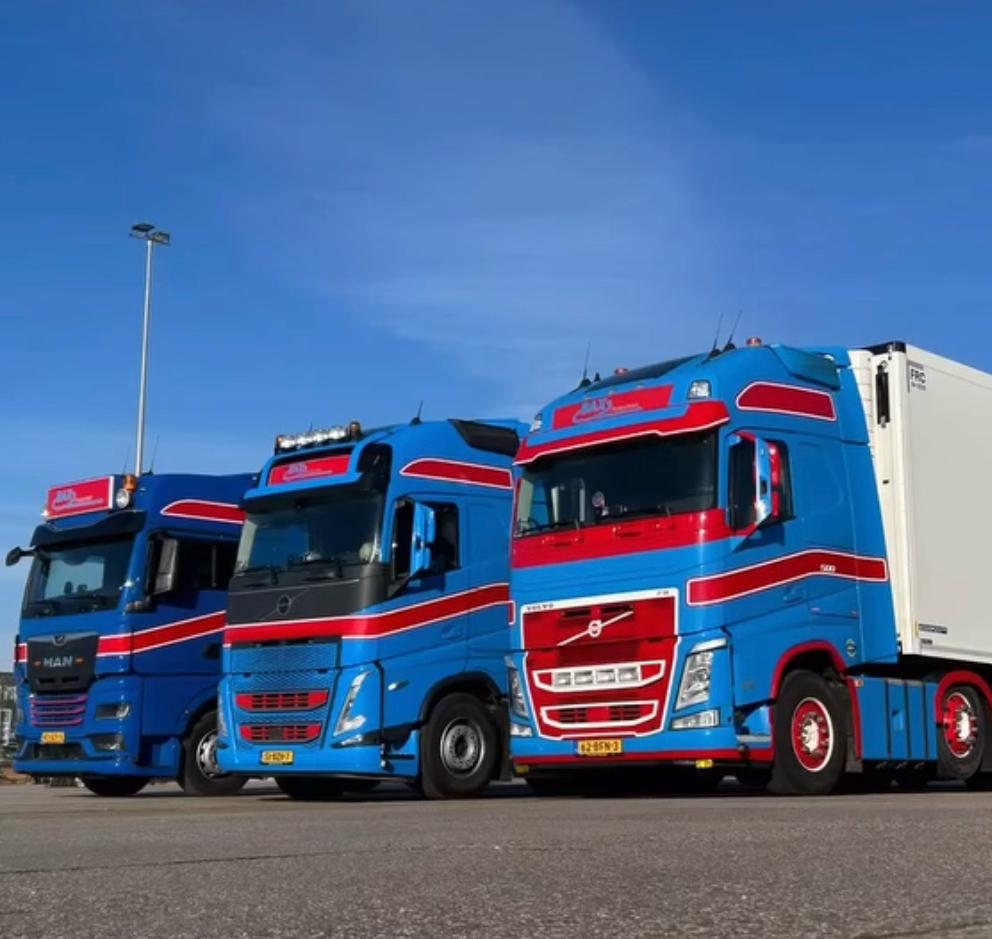
Schavemaker moved from manual follow up to automation, and is already seeing infringements decline
From manual follow up and ad hoc communication to automated compliance with direct education. With the Roadsoft Digital Assistant, Schavemaker saves time structurally while infringements are followed up on immediately.
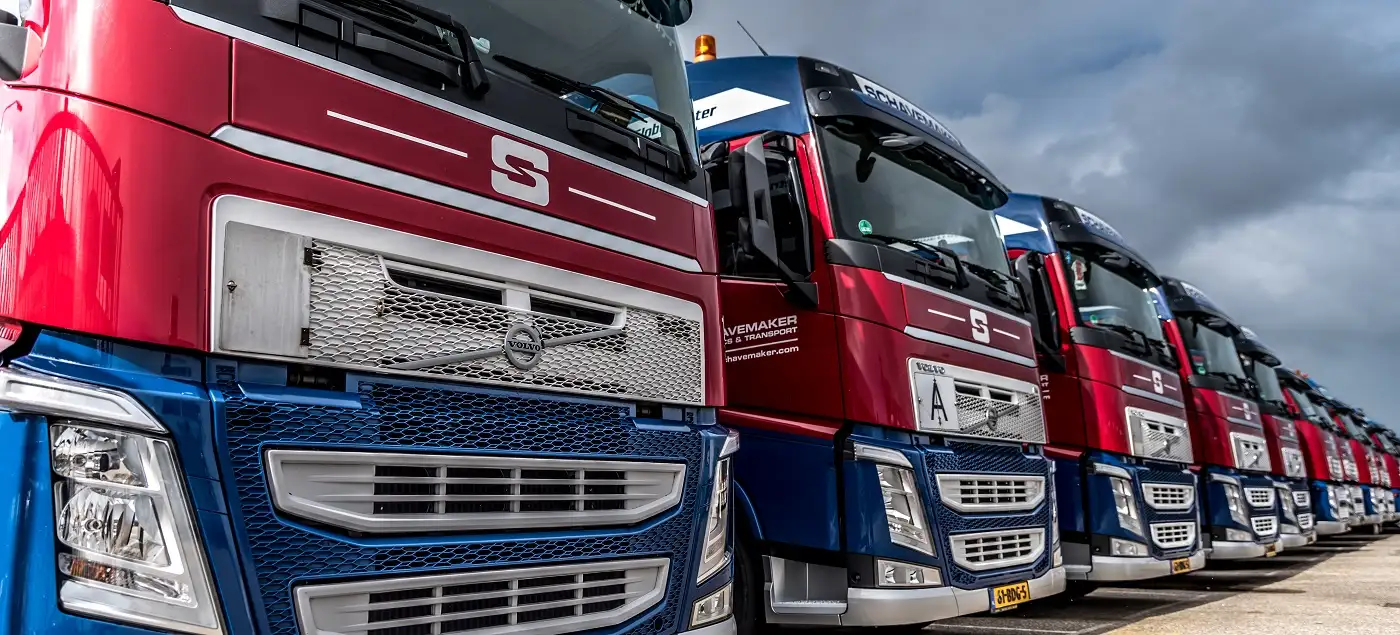
CWS Hygiene Nederland B.V. went from compliance uncertainty to complete control, across 100 vehicles and multiple depots
Discover how CWS Hygiene Nederland improved compliance control across 100 vehicles and multiple depots with better oversight, follow-up, and fewer risks.
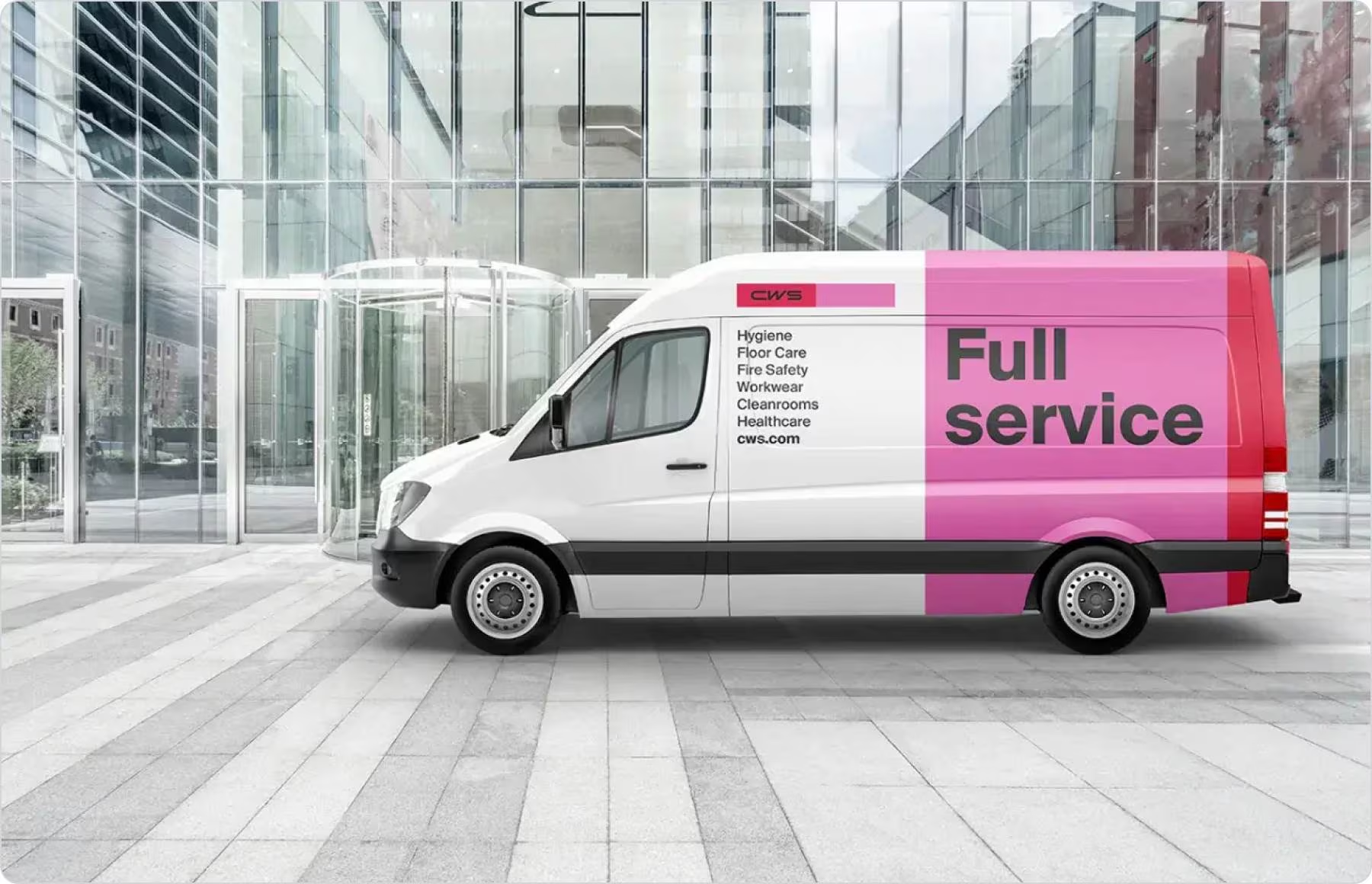
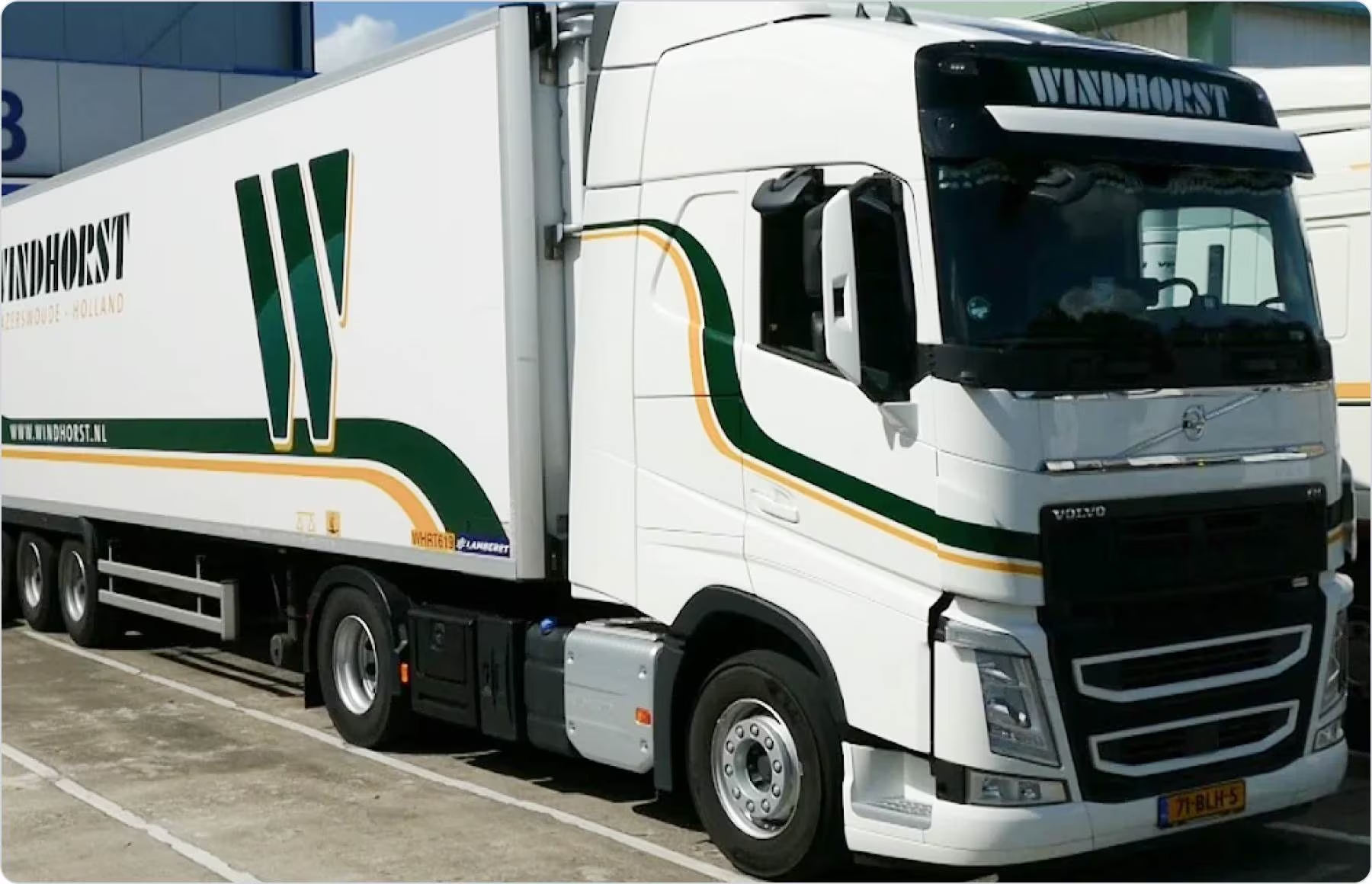
Windhorst went from two hours of manual follow-up every week to fully automated, inspection-ready compliance
Since switching to the Digital Assistant, Windhorst's compliance process runs in the background. Nico checks the dashboard occasionally and steps in when needed.
From limited insight and inspection pressure to full compliance control. Gam Bakker keeps growing 10% every year without losing grip on compliance.
Discover how Gam Bakker stays compliant while growing 10% each year with automatic tachograph analysis and clear follow-up for drivers.