Driver debrief software: manual versus automated, and what keeps your earned recognition
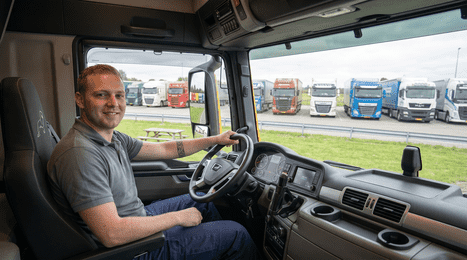
Detecting a drivers' hours infringement is a solved problem. Every decent tachograph system flags one within minutes. What decides whether you keep your earned recognition, and stay off DVSA's radar, is the driver debrief: reaching the driver, addressing the infringement, and recording what was said. The real question is no longer whether you debrief, but how.
Why detection is no longer the differentiator
Every analysis package identifies infringements and produces a report. That used to be the hard part. It no longer is. With enforcement moving onto the data, DVSA increasingly assumes you can see your infringements. What it wants to know is what you did about them. The operators who struggle at a desk-based assessment are rarely the ones missing data. They are the ones who cannot show the follow-up.
The limits of a manual driver debrief
Running the debrief by hand can work, but it has two structural weaknesses. First, it depends on someone having time. The debrief is the first task to slip when the week gets busy. Second, it depends on reaching the driver, which across shifts, depots and long-distance work is genuinely hard. The result is inconsistency: some infringements get a thorough debrief, others get a signature on a printout, and a few quietly never get closed.
What automated driver debrief software actually does
Automated driver debrief software takes the chase and the recording off your plate. The day after an infringement is detected, Roadsoft's Digital Assistant reaches the driver directly by WhatsApp or phone, addresses the infringement while it is still fresh, and stores the entire exchange as a transcript in an inspection-ready record. For you, that means the follow-up happens on time every time, the audit trail builds itself, and inspection-readiness becomes your default state.
How today's driver debrief software compares
Most operators already run one of the established tachograph systems. The useful question is where each piece of driver debrief software leaves the actual conversation with the driver.
Aquarius IT (ClockWatcher Elite)
Built-in debrief module with electronic signature. Analysis and recording covered. Reaching the driver stays with the transport manager.
Descartes SmartDebrief
Dedicated tool for managing infringements through structured debriefs. Documents the conversation rather than conducting it for you.
Microlise
Broad telematics platform with tachograph analysis. Strong on data capture, driver debrief remains manual.
Tachomaster (Road Tech)
Solid for detection, reporting and infringement letters. The conversation with the driver is still down to you.
TruTac
Driver app for debrief and countersign. Digitises the recording and sign-off well. Outreach and conversation still initiated by the transport manager.
Roadsoft
The Digital Assistant contacts the driver itself the day after an infringement, addresses it, captures the response, and logs the exchange as an inspection-ready record. The recording and sign-off are the by-product of a conversation that happened automatically.
How this protects your earned recognition
Earned recognition is not a badge you earn once. Your OCRS moves with your data. Automated driver follow-up produces a systematic, documented approach: every infringement gets a timely, consistent response, and every response is evidenced. The same documented consistency supports a healthier OCRS and protects the status you have worked to earn.
What you can do today
- Map your current debrief honestly. From detected infringement to documented resolution, where does it break down?
- Time it. If the debrief is eating hours each week, that is both a cost and a risk.
- Decide what to automate first. Driver outreach and recording are usually the highest-effort parts, which is where Roadsoft's Digital Assistant focuses.
The debrief is the part that counts
Detection is settled. What decides your earned recognition is whether every infringement is followed up, resolved and recorded, consistently, week after week. For the legislation and enforcement background, read our guide on what the law expects after a drivers' hours infringement.
Frequently asked questions
Software that helps you handle drivers' hours infringements: analysing the data, recording the debrief, and in the most advanced cases contacting the driver and logging the conversation automatically.
No. It handles the routine outreach and recording so the transport manager has more time for coaching. The driver still gets a direct, understandable explanation.
It supports it. Earned recognition depends on consistently handling infringements with evidence. Automated follow-up produces exactly that consistency and record.
The Voice Assistant stores a transcript of the conversation, not an audio recording, which is what you need for compliance evidence.
No. Smaller operators often benefit most, because they have the least spare time for a manual debrief. The time problem is universal.