How to deal with drivers' hours infringements: the driver debrief that holds up
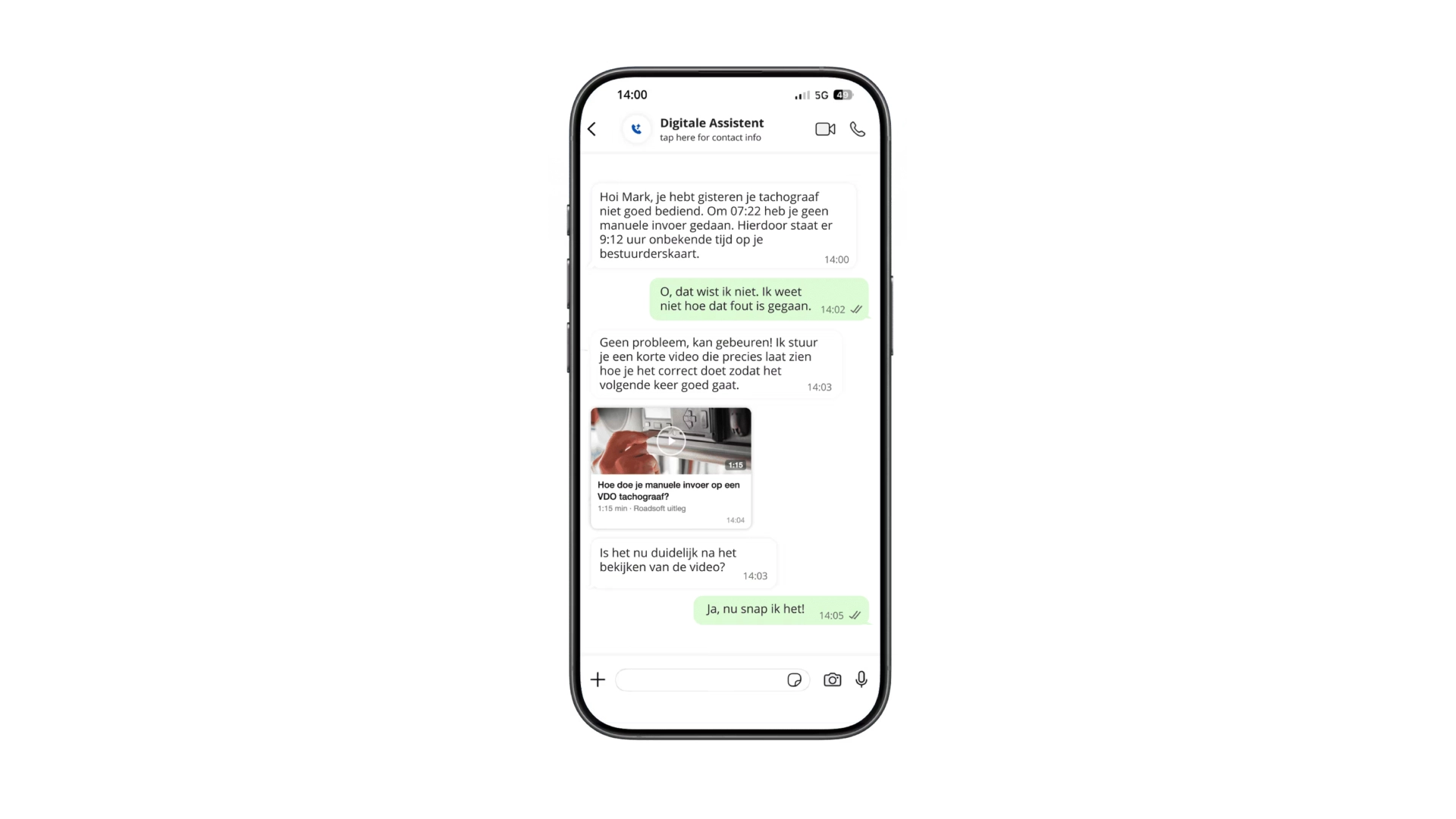
A drivers' hours infringement is not closed when the software flags it. It is closed when you have looked into how it happened, talked it through with the driver, agreed what needs to change, and recorded all of that. That is the driver debrief, and done consistently it is what keeps repeat infringements down and keeps you off DVSA's radar.
Start with the cause, not the driver
Before you raise anything with the driver, work out what really happened. An infringement is rarely a driver simply ignoring the rules. More often it traces back to a planning decision: a delivery slot that was always going to run tight, a route with no realistic break point, a loading delay that ate into the daily limit. The first question is not which driver but what caused it. Investigating first also changes the tone of the conversation.
This is also what DVSA expects to see. Its audit standard asks operators to show that every reported infringement is robustly investigated, with action taken to prevent a recurrence.
The driver debrief, step by step
- Investigate how the infringement arose, using the tachograph data and the context around it.
- Meet the driver and present the evidence. Keep it factual.
- Seek their explanation. Often the driver knows exactly what happened and why.
- Agree the action: a route change, a planning adjustment, a reminder of a specific rule, or extra training.
- Record it. Note the cause, the action and what changed, and have the driver acknowledge it.
Under the DVSA Earned Recognition standard, operators are expected to debrief drivers within 28 days of the infringement, signed, dated and with the corrective action recorded.
What makes a debrief actually hold up
A signature on a standard infringement printout proves that someone signed something. It does not show what was discussed or what changed. What holds up is a short, specific record of the action. Slot moved 90 minutes earlier and route re-planned to add a break point tells the whole story. Driver reminded of the rules does not. Timeliness matters too: a debrief recorded six weeks after the event reads very differently from one done the week it happened.
How good follow-up keeps fines and OCRS damage down
At the roadside, drivers' hours offences can bring fixed penalties, and serious cases can result in a prohibition. Your Operator Compliance Risk Score moves with your record. A run of unaddressed infringements pushes you towards amber or red. Steady, documented follow-up works the other way: fewer repeat infringements, a healthier score, and less attention from DVSA.
What you can do today
- Block a fixed weekly slot for debriefs and protect it. The rhythm is what makes it a system.
- Change your record so it captures the cause, the action and what changed, not just a signature.
- Look back over three months of data for repeat patterns and fix the underlying cause.
Roadsoft's Task Manager turns each analysed infringement into a specific, assignable task with a clear state from to do, to doing, to done, so nothing quietly slips.
A debrief is a system, not a form
Handling drivers' hours infringements well is about a repeatable process: investigate the cause, talk to the driver, fix what caused it, and record what changed. Do that consistently and the audit looks after itself. To see how operators are taking the manual effort out of this entirely, read our piece on manual versus automated driver follow-up.
Frequently asked questions
The process of investigating a drivers' hours infringement, discussing it with the driver, agreeing what needs to change, and recording the action.
Best practice is weekly, dealing with every infringement from that period. A regular rhythm looks far stronger at an audit than a backlog cleared just before a deadline.
There is no single rule that demands a signature, but you need to show the debrief happened. A signature or an electronic acknowledgement both work.
A record showing, for each infringement, the cause, the action taken and what changed to prevent a recurrence. A bare signed printout is treated as thin evidence.
Indirectly yes. Consistent follow-up reduces repeat infringements, and fewer infringements over time support a better OCRS.